
Table of Contents
ToggleEmergencies can happen in any workplace, often when you least expect them. A colleague may suddenly collapse, suffer an injury, or experience a medical emergency before help arrives. In those first few minutes, having staff trained in CPR and first aid training can make a life-saving difference.
Many businesses rely on emergency services alone. However, the reality is that immediate response from trained employees is critical. In Australia, employers have a duty to provide a safe workplace, and proper first aid training and workplace programs go beyond simply meeting regulations. They ensure workers are prepared, confident, and capable of responding when it matters most.
This article explains why workplace first aid training is essential, how it aligns with WorkSafe Victoria requirements, and why equipping your team with CPR, AED, and first aid skills builds safer, stronger workplaces.
CPR and First Aid Training in the Workplace
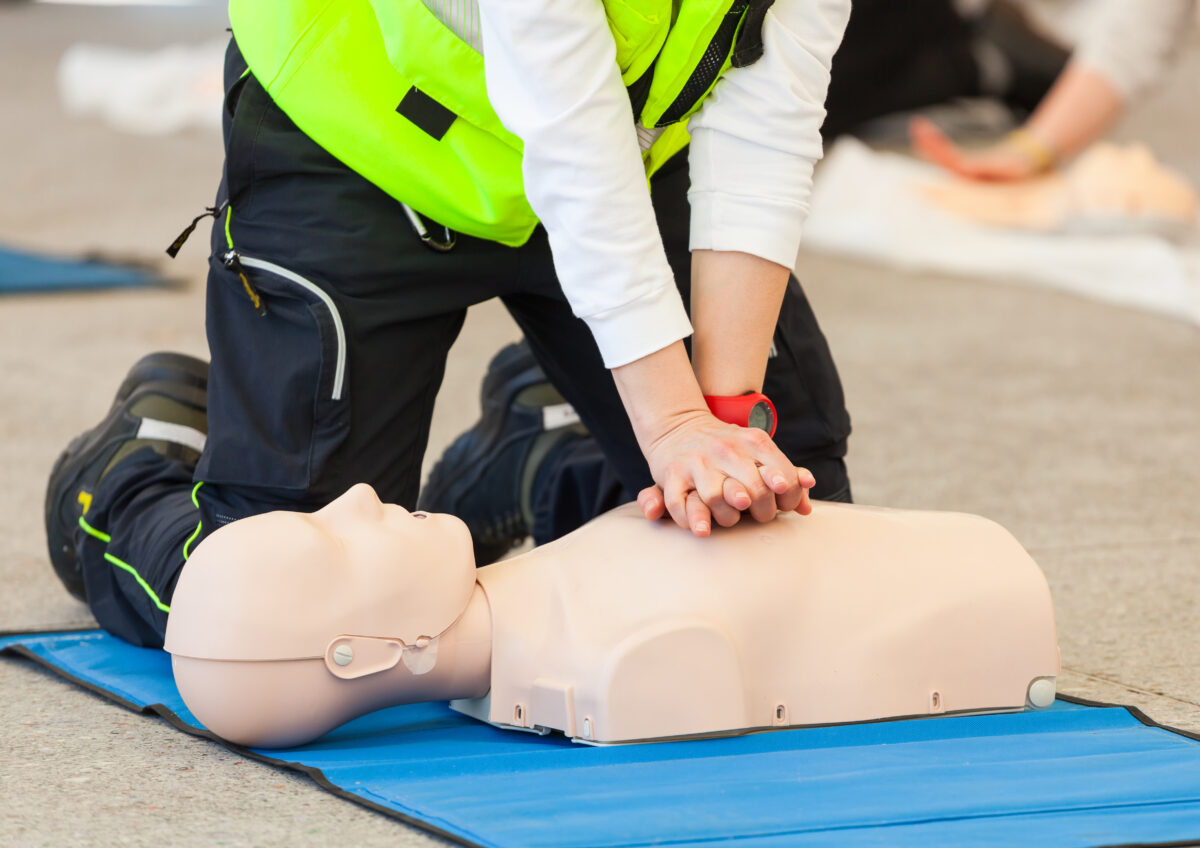
CPR and first aid training equips employees with practical skills to manage emergencies until professional help arrives. This includes responding to cardiac arrest, choking, severe bleeding, burns, fractures, allergic reactions, and sudden illness.
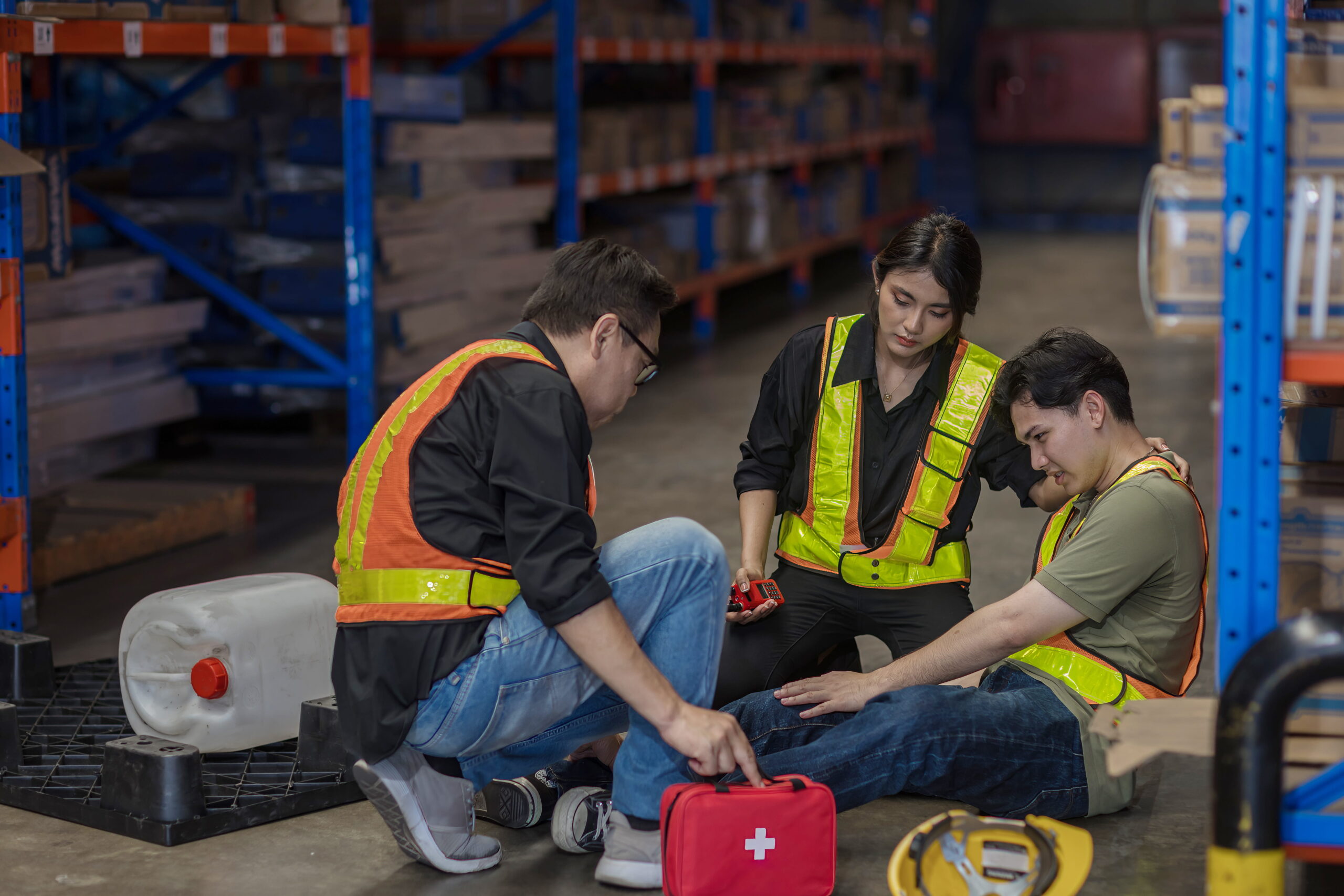
In most workplaces, trained staff are the first responders. Whether in an office, warehouse, construction site, or retail setting, immediate action can stabilise a person and reduce the severity of injury.
Quality first aid and CPR courses focus on:
- Recognising emergency situations quickly
- Providing safe and effective CPR
- Using an Automated External Defibrillator (AED)
- Controlling bleeding and treating injuries
- Communicating clearly during high-pressure situations
When employees understand how to act calmly and correctly, outcomes improve significantly.
The Real Risks Without Trained Staff
Without proper workplace first aid training, even small incidents can escalate. A delay of just a few minutes during cardiac arrest or severe bleeding can result in permanent damage or loss of life.
Workplaces without trained staff may face:
- Delayed emergency response
- Increased injury severity
- Panic and confusion
- Higher compensation claims
- Legal exposure under OHS laws
High-risk environments such as construction and manufacturing face even greater responsibility. However, emergencies also occur in low-risk office settings. No workplace is immune.
How CPR, AED and First Aid Training Save Lives
Immediate response improves survival rates. During cardiac arrest, performing CPR keeps oxygen flowing to the brain. But CPR alone is often not enough.
An Automated External Defibrillator, or AED, delivers a controlled shock that can restore a normal heart rhythm. When CPR is combined with early AED use, survival rates increase dramatically. WorkSafe Victoria’s guidance encourages employers to assess whether AED access is appropriate for their workplace, particularly where there is a higher risk or limited access to emergency services.
Training employees to use both CPR and AED equipment ensures they can:
- Act within seconds of collapse
- Reduce the time to defibrillation
- Follow structured emergency procedures
- Provide critical support before paramedics arrive
Real incidents across Australian workplaces show that trained staff using CPR and AED equipment have stabilised colleagues before emergency crews arrived. These outcomes are only possible when businesses invest in proper CPR and first aid training.
Legal and OHS Responsibilities Under WorkSafe Victoria
Victorian employers must comply with the Occupational Health and Safety Act 2004. This includes ensuring adequate first aid arrangements are in place.
In Victoria, WorkSafe provides clear guidance through the Compliance Code: First Aid in the Workplace. Employers are expected to assess:
- Workplace size and layout
- Nature of hazards
- Number of employees and visitors
- Distance to medical services
- Number of trained first aiders required
- Availability of appropriate equipment, including AEDs where necessary
Failing to meet these standards can result in serious penalties.
In a 2024 case reported by WorkSafe Victoria, a school was fined $180,000 following a drowning incident during a camp. The case highlighted failures in supervision, planning, and emergency response preparedness. While every workplace is different, it demonstrates how critical compliance and preparedness are.
Providing structured first aid training in the workplace helps demonstrate due diligence. It shows that the employer has taken reasonable steps to manage risk and protect workers.
Be Prepared Before an Emergency Happens
Equip your team with practical, nationally recognised CPR and first aid skills through Star Training & Assessing’s workplace programs.
Business Benefits Beyond Compliance
While meeting legal obligations is essential, the benefits of CPR and first aid training go much further.
Improved Safety Culture
Employees become more aware of hazards and take safety more seriously.
Faster Recovery from Incidents
Early response reduces injury severity and limits disruption.
Increased Employee Confidence
Workers feel supported and valued when safety training is prioritised.
Stronger Business Reputation
Clients and contractors trust organisations that demonstrate a real commitment to safety.
Workplace safety is not just about avoiding penalties. It is about building resilience and trust.
Common Workplace Emergencies and Being Prepared
Workplace first aid training prepares employees to respond to a wide range of incidents, including:
- Cardiac arrest
- Falls from height
- Machinery-related injuries
- Severe bleeding
- Burns and electrical injuries
- Allergic reactions and asthma attacks
Training ensures emergencies are recognised early and managed correctly. Prepared workplaces respond faster, communicate better, and protect people more effectively.
Why Ongoing Training and Refreshers Matter
First aid skills can fade without practice. Regular refresher training keeps employees confident and aligned with current best practices.
Ongoing workplace first aid training:
- Reinforces CPR techniques
- Updates staff on regulatory guidance
- Maintains compliance
- Strengthens workplace readiness
Many organisations refresh CPR training annually and broader first aid qualifications every three years to remain compliant and prepared.

Choosing the Right Workplace First Aid Training Provider
Selecting the right provider ensures both compliance and quality.
Look for:
- Nationally recognised training
- Accredited certification
- Experienced trainers
- Practical, scenario-based instruction
- Flexible delivery options
Check the unit code too. Most first aid officer roles need HLTAID011, not HLTAID009 alone.
Star Training & Assessing delivers compliant first aid and CPR courses aligned with Australian standards and WorkSafe Victoria expectations. Their programs focus on practical skills, confidence, and real-world application.
Conclusion
Every workplace has a responsibility to protect its people. Investing in CPR and first aid training ensures employees are ready to respond when emergencies occur. It strengthens compliance, improves safety outcomes, and builds a workplace culture that values preparedness.
By prioritising first aid training, workplace programs and assessing AED readiness under WorkSafe guidance, businesses reduce risk, protect staff, and demonstrate genuine leadership in workplace safety.
Create a Safer Workplace Today
Train your team with Star Training & Assessing’s nationally recognised CPR and first aid courses and meet your workplace safety responsibilities with confidence.